




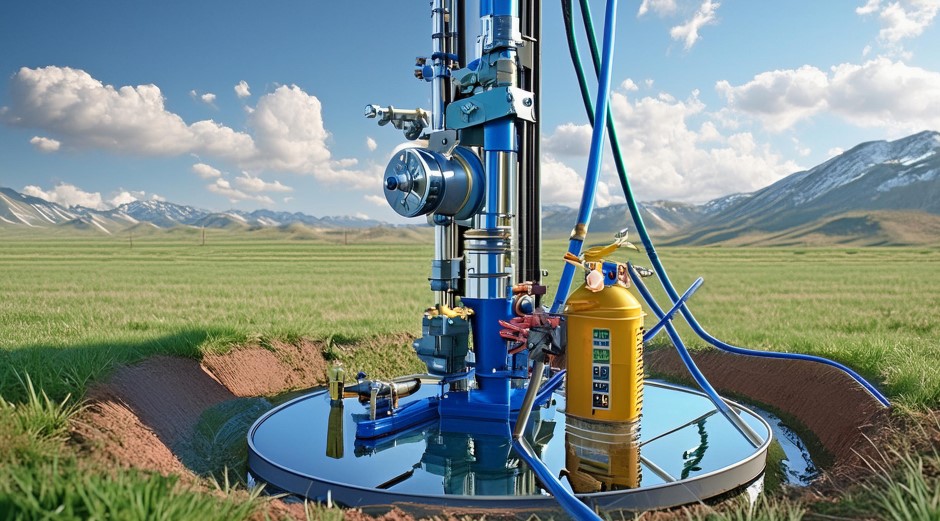
Thinking of tapping into a natural source of water for your home? Borehole drilling might be your answer! This process involves creating a narrow, deep shaft in the ground to access groundwater.
Why Go for Borehole Water?
There are several benefits to using borehole water:
- Cost-effective: Once the initial drilling cost is covered, you’ll have a reliable, long-term water source that significantly reduces your reliance on municipal water bills.
- Independence: Boreholes provide a degree of self-sufficiency, especially in areas prone to water restrictions or disruptions.
- Sustainability: By using naturally occurring groundwater, you’re reducing your dependence on treated municipal supplies.
The Borehole Drilling Process:
- Site Assessment: A qualified hydrogeologist will analyze your land to determine the ideal location for drilling, considering factors like geological formations and proximity to potential contaminants.
- Drilling: Specialized drilling rigs create the borehole, typically using a rotary drilling method with a drill bit that penetrates the ground.
- Casing and Development: A casing, usually a PVC pipe, is inserted into the borehole to prevent collapse and contamination. The borehole may then be developed to remove any loose sediment and ensure optimal water flow.
- Yield Testing: A pump test determines the rate at which water can be sustainably extracted from the borehole.
- Pump Installation: A submersible pump is installed within the borehole to bring water to the surface for use in your home.
Things to Consider:
- Permits and Regulations: Drilling permits might be required in your area. Consult with local authorities beforehand.
- Water Quality: Borehole water may require testing and potential treatment depending on the local geology and presence of minerals or contaminants.
- Maintenance: Regular maintenance of your borehole and pump system is crucial for long-term functionality and water quality.
Consulting a Professional:
Drilling a borehole is a significant investment, so working with a reputable and experienced drilling company is essential. They can guide you through the entire process, ensuring proper siting, safe drilling practices, and compliance with regulations.
By understanding the benefits and considerations of borehole drilling, you can make an informed decision about whether it’s the right path to water independence for your home.