




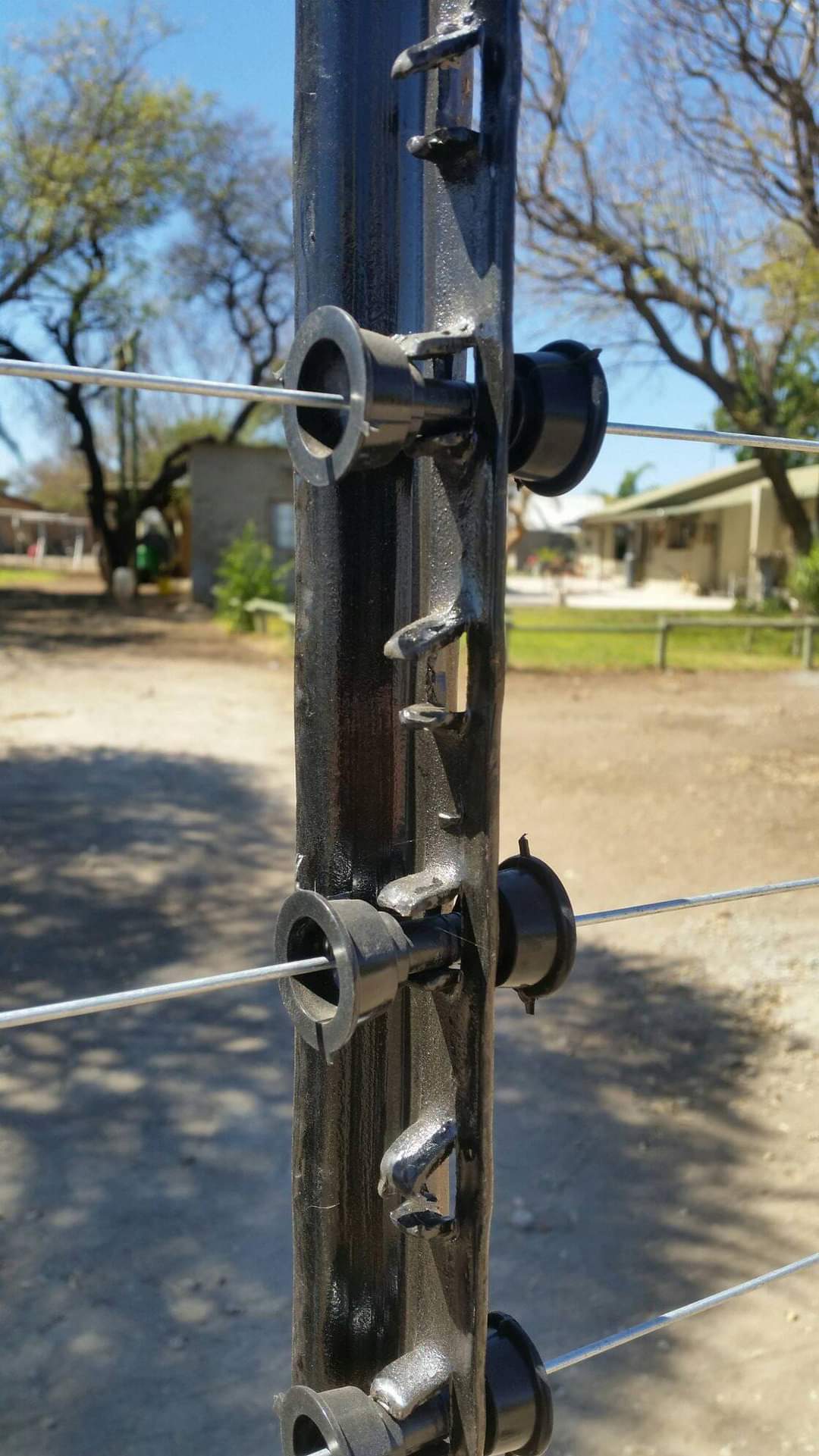
Keeping Your Electric Fence in Tiptop Shape: Essential Maintenance Tips
Electric fences are highly effective for protecting your property, livestock, and assets, but they require regular maintenance to function optimally. When kept in tiptop shape, your fence will be ready to deliver its best performance whenever you need it most. Neglecting maintenance, however, can lead to issues such as reduced voltage, grounding problems, or faulty components, which compromise your fence’s efficiency and reliability.
Here are some essential tips to ensure your electric fence remains in perfect working condition:
1. Regularly Inspect the Fence Line
One of the simplest yet most effective ways to maintain your electric fence is by conducting routine inspections of the fence line. Look for:
- Broken wires or damaged insulators.
- Vegetation, like weeds or branches, touching the fence, which can cause voltage loss.
- Posts that may have shifted due to weather or livestock pressure.
Keeping the fence line clear of obstructions will help ensure consistent electrical conductivity and prevent short circuits.
2. Test the Voltage Frequently
Your electric fence’s voltage should always be within the manufacturer’s recommended range for optimal performance. Use a fence voltage tester to regularly check the current. If you notice a drop in voltage, investigate potential causes like loose connections, grounding issues, or faulty energizers.
Low voltage can make your fence ineffective, allowing animals to break through or intruders to cross it without much resistance.
3. Maintain Grounding Systems
Proper grounding is critical to the effectiveness of your electric fence. Poor grounding can drastically reduce the fence’s ability to deliver an effective shock. Check that your ground rods are properly installed and that connections are secure. Over time, grounding rods can corrode, so it’s important to replace them if necessary to maintain proper conductivity.
4. Inspect and Replace Energizers
The energizer is the heart of your electric fence system. If the energizer isn’t working properly, your fence won’t be effective. Regularly inspect the energizer for signs of wear, rust, or damage. Additionally, ensure that it is protected from weather elements by keeping it housed in a weatherproof box.
If your energizer seems weak or faulty, consider replacing it with a newer model that better fits your fencing requirements.
5. Trim Vegetation Regularly
Vegetation growing along your fence line can be a major problem, as plants in contact with the fence can short out the electric current. Even wet grass or weeds can reduce the effectiveness of your fence. Regularly trimming back vegetation or using herbicides around the fence line will keep the electric current flowing smoothly.
6. Check for Loose or Rusted Connections
Loose or corroded connections can interrupt the flow of electricity through your fence, leading to weak spots or total failure in certain sections. Go over all the connections in your fence regularly, tightening any that are loose and replacing any that show signs of rust or corrosion. Using high-quality connectors will also improve the lifespan of your fence system.
7. Monitor for Animal or Human Damage
Your electric fence may suffer damage from livestock or wildlife, as well as human interference. Keep an eye out for broken wires, trampled posts, or any deliberate tampering. This is particularly important in areas where your fence may be exposed to heavy use or unauthorized access.
8. Protect Your System from Power Surges
Lightning strikes and power surges can damage your energizer or other fence components. To protect your system, consider installing a lightning diverter or surge protector, which will help redirect excess electricity away from your energizer and reduce the risk of damage.
9. Ensure Backup Power for Off-Grid Systems
If you’re using a solar-powered or battery-powered electric fence, it’s crucial to have a reliable backup power source. Regularly check that your solar panels are clean and positioned to receive maximum sunlight, and ensure that your batteries are in good condition and properly charged.
10. Schedule Professional Maintenance
While there are many tasks you can do yourself, sometimes it’s best to call in a professional to thoroughly inspect your electric fence system. They can check for more subtle issues, test the fence’s overall functionality, and recommend upgrades or repairs to keep your system running smoothly.
Final Thoughts
A well-maintained electric fence is key to ensuring the safety and security of your property. By regularly inspecting, testing, and maintaining your fence, you can prevent small issues from becoming costly problems. When your electric fence is in tiptop shape, you’ll have peace of mind knowing it’s ready to perform when needed.
If you need assistance with maintaining or upgrading your electric fence, Africa Fencing and Pumps is here to help! We offer expert advice, top-quality materials, and professional maintenance services to keep your fence operating at peak performance. Contact us today to learn more!